 shahzaiaabali111@gmail.com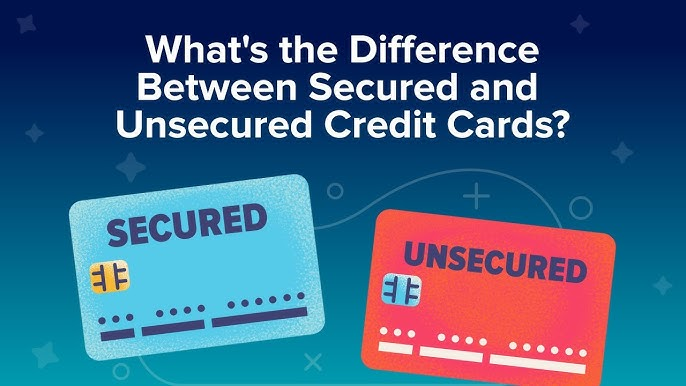
Starting your credit journey can be exciting — but confusing. One of the first decisions many beginners face is whether to apply for a secured credit card or an unsecured credit card. Both serve the same core purpose (building credit and enabling purchases), but they work very differently — and choosing the wrong type early on can slow your progress or cost you money.
This comprehensive guide breaks down everything you need to know about secured and unsecured credit cards, including:
- What each card type is
- Key differences with examples
- Pros and cons
- How they affect your credit score
- Which is best for beginners
- How to qualify
- Common mistakes to avoid
By the end, you’ll know exactly which card type matches your financial situation and how to use it to build a strong credit profile in 2026.
📊 What Is a Secured Credit Card?
A secured credit card requires a security deposit — usually equal to your credit limit. This makes it less risky for issuers, which is why they’re easier to get approved for even with limited or poor credit history.
You use the card just like a traditional credit card, but your deposit backs the line of credit.
Example:
If you deposit $300, your credit limit is typically $300.
Your deposit is returned when you close the account in good standing or upgrade to an unsecured card.
📌 What Is an Unsecured Credit Card?
An unsecured credit card does not require a deposit. Approval is based on your creditworthiness — including your credit score, income, payment history, and other financial factors.
Most premium travel rewards cards, cashback cards, and 0% APR offers are unsecured cards.
Example:
You get a credit limit based on your qualifications — usually without any deposit.
⚖️ Key Differences at a Glance
| Feature | Secured Card | Unsecured Card |
|---|---|---|
| Deposit Required | ✔ Yes | ✖ No |
| Approval Difficulty | Easy | Varies (Easy–Hard) |
| Best For | Beginners, rebuilding | Good–excellent credit holders |
| Credit Limit | Usually equals deposit | Based on credit evaluations |
| Rewards | Limited | Often robust |
| Fees | Moderate to high | Varies |
🧠 Secured Cards: Ideal for Beginners and Rebuilding
👍 Pros of Secured Cards
✔ Easier approval
✔ Helps build credit when history is thin or poor
✔ Teaches responsible use of credit
✔ Deposit returns after responsible use
✔ Good stepping stone to unsecured cards
👎 Cons of Secured Cards
✖ Requires cash upfront
✖ Sometimes higher fees/APRs
✖ Limited rewards
✖ Credit limits often low initially
Secured cards are not a forever tool — they’re a starting tool.
🧠 Unsecured Cards: For Growth and Rewards
👍 Pros of Unsecured Cards
✔ No deposit required
✔ Higher credit limits
✔ Rewards on spending (cashback, travel points)
✔ Some include added perks (0% APR promotional periods)
👎 Cons of Unsecured Cards
✖ Harder to qualify for initially
✖ Higher standards (credit score, history, income)
✖ Risk of debt spiral if misused
✖ May offer less forgiving terms
Unsecured cards are powerful, but beginners need the right profile to handle them.
🧠 How Each Card Type Affects Your Credit Score
Both secured and unsecured cards impact the four major credit scoring factors:
📌 Payment History (35%)
- On-time payments boost your score
- Missed payments hurt your score
Both card types report to the three major bureaus:
Experian
Equifax
TransUnion
📌 Credit Utilization (30%)
- Secured cards might start with a small limit, making utilization easier to hit 30%+
- Unsecured cards often have higher limits, which helps utilization
📌 Length of Credit History (15%)
- Both cards build credit age over time
- Keeping the oldest card open benefits your score
📌 Credit Mix & New Accounts (10% + 10%)
- A mix of secured and unsecured helps your profile
- Multiple new accounts may cause short-term dips
🏆 Best Secured Cards for Beginners
Here are some of the strongest secured options for beginners in 2026:
🔹 Discover it® Secured Credit Card
- Security Deposit: Required
- Annual Fee: $0
- Rewards: 2% cash back on select categories + 1% on other purchases
Best For: Beginners who want rewards with a secured card
Why it’s great: Unique rewards on a secured product.
🔹 OpenSky® Secured Visa® Credit Card
- Security Deposit: Required
- Annual Fee: Moderate
- Approval: No credit check required
Best For: Those with poor or no credit history
Why it’s great: No credit check increases approval odds.
🏆 Best Unsecured Cards for Beginners
These unsecured cards are often easier to qualify for with fair to good credit:
🔹 Capital One Platinum Credit Card
- Annual Fee: $0
- Rewards: None
- Best For: Fair credit and first-time unsecured card
Why it’s great: Built for those establishing credit.
🔹 Petal® 2 “Cash Back, No Fees” Visa®
- Annual Fee: $0
- Rewards: 1–1.5% cash back
- Approval: Uses alternative data
Best For: Limited credit history
Why it’s great: Rewards + easier approval than many traditional unsecured cards.
🎯 When to Choose Secured vs Unsecured
Your financial profile determines which path makes the most sense:
📌 If You Have Little to No Credit
➡ Choose a Secured Card First
Secured cards give you a chance to start building payment history with minimal barriers.
📌 If You Have Fair Credit
➡ An Easy Unsecured Card May Work
Cards like Capital One Platinum or Petal 2 Visa® may offer approval without a deposit.
📌 If You Have Good Credit (670+)
➡ Go for Rewarded Unsecured Cards
You may qualify for stronger reward cards and introductory perks.
💡 How to Transition from Secured to Unsecured
Follow these steps to graduate successfully:
🪜 Step 1: Use Your Secured Card Responsibly
Pay on time every month.
🪜 Step 2: Request Credit Limit Increase
Some issuers let you increase your secured limit with added deposit.
🪜 Step 3: Check for Upgrade Offers
After 6–12 months of responsible use, many secured cards offer upgrade paths to unsecured versions.
🪜 Step 4: Apply for Unsecured Cards Strategically
Only apply once your score has improved and utilization is low.
⚠ Common Mistakes to Avoid
Even beginners can make missteps:
❌ Carrying high balances
❌ Missing payments
❌ Applying for too many cards at once
❌ Ignoring fees and APR rates
❌ Not checking your credit score before applying
Responsible use equals faster progress.
📎 Suggested Internal Resources
For deeper credit education, link to:
- How to Check Your Credit Score
- Best Credit Cards for Beginners
- Student Credit Cards Guide
- Best Secured Credit Cards for Building Credit
Internal links boost SEO and authority.
🌎 External Authority Resources
For trusted guidance on credit fundamentals:
These sites provide official educational material.
❓ Frequently Asked Questions
Can both card types build credit?
Yes — both report to all three major bureaus and help credit profile growth.
Which is easier to get approved for?
Secured cards are generally far easier to qualify for.
Do secured cards hurt your credit?
No — if used responsibly, secured cards improve your credit score.
Is it smart to open multiple cards?
Only if you can manage them responsibly — otherwise, focus on one and build strong habits.
🧠 Final Thoughts: Start Smart and Build Strong
Whether you choose a secured card or an unsecured card, the real key to credit success lies not in the type of card — but in how you use it.
Here’s the bottom line:
✔ Make on-time payments every month
✔ Keep balances below 30% of your limit
✔ Avoid unnecessary fees
✔ Monitor your credit score
✔ Upgrade to stronger cards as you qualify
